Τετάρτη 31 Ιανουαρίου 2018

Κατίνα Βλάχου: Το ταξίδι


Είναι βαθύς ο κόλπος στο νησάκι
Κλείνουν οι λόφοι γύρω το τοπίο
Βαρκούλες με λευκά πανιά που πλέουν
λικνίζονται απαλά• σιωπής μαγεία
Όλο λαχτάρα την αλμύρα νιώθουν
και την πνοή του ανέμου περιμένουν
σαν έρθει η στιγμή για να σαλπάρουν
Αν καταλήξουν σε λιμάνι δεν το ξέρουν
αλλά η χαρά του ταξιδιού μεγάλη
κι η θάλασσα πάντα θα τις ξαφνιάζει
Δίνει παράγγελμα η ψυχή κι η χάρη
όλες μαζί οι βαρκούλες ξεκινάνε
ποια θα προβάλλει πρώτη από τον κόλπο
Σα γέννα μοιάζει ετούτη η πομπή τους
Φυσάει στ΄ανοιχτά το μαϊστράλι
και μοναχός θαυμάζει ο καπετάνιος
που οι βαρκούλες με τις λέξεις μοιάζουν
τρελά καθώς χορεύουν με το κύμα
Γεννήθηκαν μες στο βαθύ λιμάνι
τόλμησαν στα ανοιχτά να ταξιδέψουν
και με αισθήματα αληθινά να παίξουν
Κι αν θα σκορπίσουν ή αν πίσω θα γυρίσουν
την περιπέτεια δε θα τη λησμονήσουν


2017

Ο Γιώργος Κοροπούλης μεταφράζει και διαβάζει τρία σονέτα του Guido Cavalvanti


Πέμπτη 25 Ιανουαρίου 2018

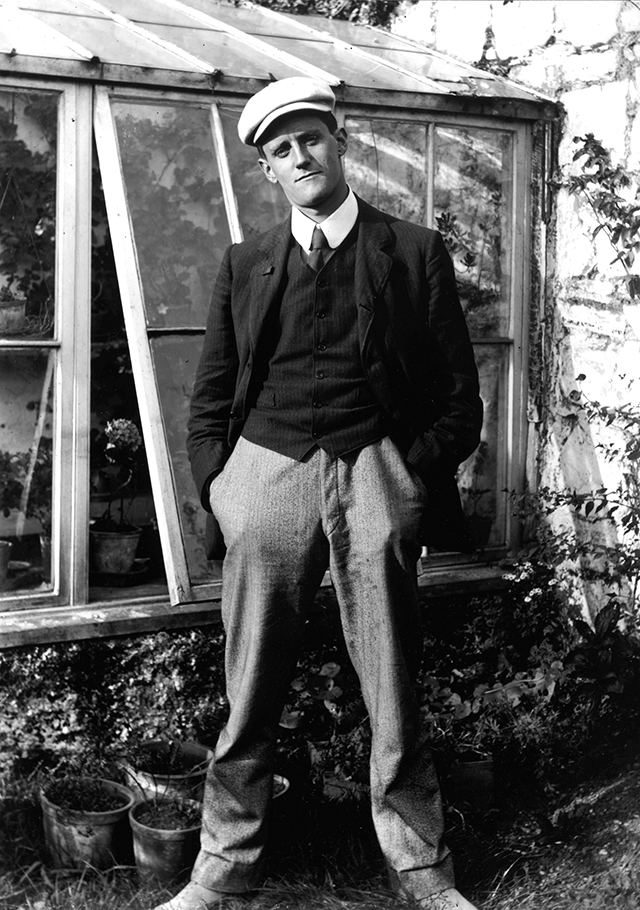
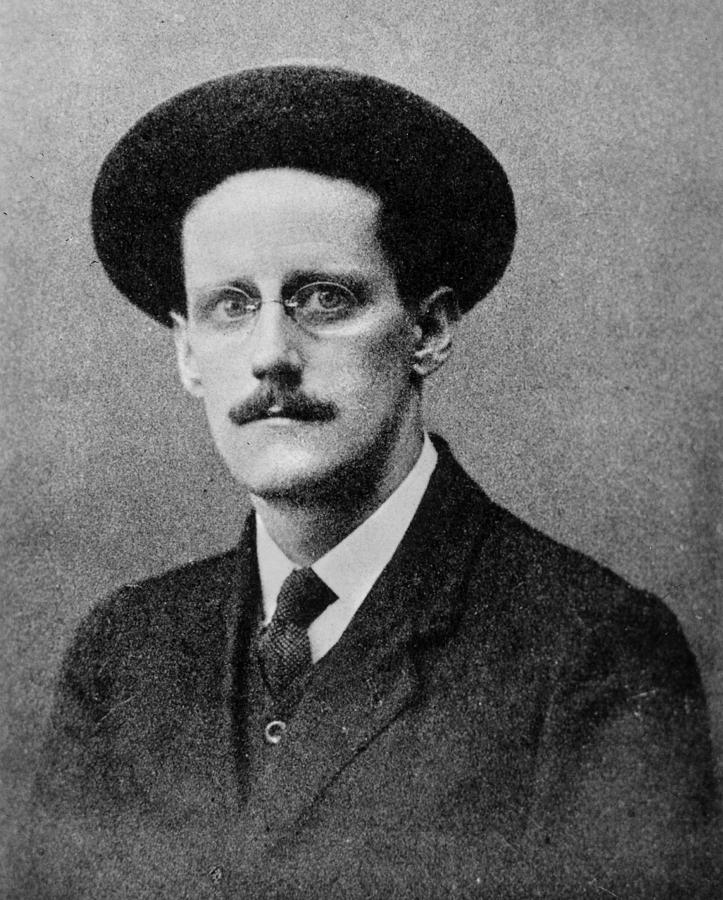
James Joyce: The dead


Lily, the caretaker’s daughter, was literally run off her feet. Hardly had she brought one gentleman into the little pantry behind the office on the ground floor and helped him off with his overcoat than the wheezy hall-door bell clanged again and she had to scamper along the bare hallway to let in another guest. It was well for her she had not to attend to the ladies also. But Miss Kate and Miss Julia had thought of that and had converted the bathroom upstairs into a ladies’ dressing-room. Miss Kate and Miss Julia were there, gossiping and laughing and fussing, walking after each other to the head of the stairs, peering down over the banisters and calling down to Lily to ask her who had come.

It was always a great affair, the Misses Morkan’s annual dance. Everybody who knew them came to it, members of the family, old friends of the family, the members of Julia’s choir, any of Kate’s pupils that were grown up enough, and even some of Mary Jane’s pupils too. Never once had it fallen flat. For years and years it had gone off in splendid style as long as anyone could remember; ever since Kate and Julia, after the death of their brother Pat, had left the house in Stoney Batter and taken Mary Jane, their only niece, to live with them in the dark gaunt house on Usher’s Island, the upper part of which they had rented from Mr Fulham, the corn-factor on the ground floor. That was a good thirty years ago if it was a day. Mary Jane, who was then a little girl in short clothes, was now the main prop of the household, for she had the organ in Haddington Road. She had been through the Academy and gave a pupils’ concert every year in the upper room of the Antient Concert Rooms. Many of her pupils belonged to the better-class families on the Kingstown and Dalkey line. Old as they were, her aunts also did their share. Julia, though she was quite grey, was still the leading soprano in Adam and Eve’s, and Kate, being too feeble to go about much, gave music lessons to beginners on the old square piano in the back room. Lily, the caretaker’s daughter, did housemaid’s work for them. Though their life was modest they believed in eating well; the best of everything: diamond-bone sirloins, three-shilling tea and the best bottled stout. But Lily seldom made a mistake in the orders so that she got on well with her three mistresses. They were fussy, that was all. But the only thing they would not stand was back answers.

Of course they had good reason to be fussy on such a night. And then it was long after ten o’clock and yet there was no sign of Gabriel and his wife. Besides they were dreadfully afraid that Freddy Malins might turn up screwed. They would not wish for worlds that any of Mary Jane’s pupils should see him under the influence; and when he was like that it was sometimes very hard to manage him. Freddy Malins always came late but they wondered what could be keeping Gabriel: and that was what brought them every two minutes to the banisters to ask Lily had Gabriel or Freddy come.

“O, Mr Conroy,” said Lily to Gabriel when she opened the door for him, “Miss Kate and Miss Julia thought you were never coming. Good-night, Mrs Conroy.”

“I’ll engage they did,” said Gabriel, “but they forget that my wife here takes three mortal hours to dress herself.”

He stood on the mat, scraping the snow from his goloshes, while Lily led his wife to the foot of the stairs and called out:

“Miss Kate, here’s Mrs Conroy.”

Kate and Julia came toddling down the dark stairs at once. Both of them kissed Gabriel’s wife, said she must be perished alive and asked was Gabriel with her.

James Joyce: Grace


Two gentlemen who were in the lavatory at the time tried to lift him up: but he was quite helpless. He lay curled up at the foot of the stairs down which he had fallen. They succeeded in turning him over. His hat had rolled a few yards away and his clothes were smeared with the filth and ooze of the floor on which he had lain, face downwards. His eyes were closed and he breathed with a grunting noise. A thin stream of blood trickled from the corner of his mouth.

These two gentlemen and one of the curates carried him up the stairs and laid him down again on the floor of the bar. In two minutes he was surrounded by a ring of men. The manager of the bar asked everyone who he was and who was with him. No one knew who he was but one of the curates said he had served the gentleman with a small rum.

“Was he by himself?” asked the manager.

“No, sir. There was two gentlemen with him.”

“And where are they?”

No one knew; a voice said:

“Give him air. He’s fainted.”

The ring of onlookers distended and closed again elastically. A dark medal of blood had formed itself near the man’s head on the tessellated floor. The manager, alarmed by the grey pallor of the man’s face, sent for a policeman.

His collar was unfastened and his necktie undone. He opened his eyes for an instant, sighed and closed them again. One of gentlemen who had carried him upstairs held a dinged silk hat in his hand. The manager asked repeatedly did no one know who the injured man was or where had his friends gone. The door of the bar opened and an immense constable entered. A crowd which had followed him down the laneway collected outside the door, struggling to look in through the glass panels.

The manager at once began to narrate what he knew. The constable, a young man with thick immobile features, listened. He moved his head slowly to right and left and from the manager to the person on the floor, as if he feared to be the victim of some delusion. Then he drew off his glove, produced a small book from his waist, licked the lead of his pencil and made ready to indite. He asked in a suspicious provincial accent:

“Who is the man? What’s his name and address?”

A young man in a cycling-suit cleared his way through the ring of bystanders. He knelt down promptly beside the injured man and called for water. The constable knelt down also to help. The young man washed the blood from the injured man’s mouth and then called for some brandy. The constable repeated the order in an authoritative voice until a curate came running with the glass. The brandy was forced down the man’s throat. In a few seconds he opened his eyes and looked about him. He looked at the circle of faces and then, understanding, strove to rise to his feet.

“You’re all right now?” asked the young man in the cycling-suit.

“Sha, ’s nothing,” said the injured man, trying to stand up.

James Joyce: A painful case


Mr James Duffy lived in Chapelizod because he wished to live as far as possible from the city of which he was a citizen and because he found all the other suburbs of Dublin mean, modern and pretentious. He lived in an old sombre house and from his windows he could look into the disused distillery or upwards along the shallow river on which Dublin is built. The lofty walls of his uncarpeted room were free from pictures. He had himself bought every article of furniture in the room: a black iron bedstead, an iron washstand, four cane chairs, a clothes-rack, a coal-scuttle, a fender and irons and a square table on which lay a double desk. A bookcase had been made in an alcove by means of shelves of white wood. The bed was clothed with white bedclothes and a black and scarlet rug covered the foot. A little hand-mirror hung above the washstand and during the day a white-shaded lamp stood as the sole ornament of the mantelpiece. The books on the white wooden shelves were arranged from below upwards according to bulk. A complete Wordsworth stood at one end of the lowest shelf and a copy of the Maynooth Catechism, sewn into the cloth cover of a notebook, stood at one end of the top shelf. Writing materials were always on the desk. In the desk lay a manuscript translation of Hauptmann’s Michael Kramer, the stage directions of which were written in purple ink, and a little sheaf of papers held together by a brass pin. In these sheets a sentence was inscribed from time to time and, in an ironical moment, the headline of an advertisement for Bile Beans had been pasted on to the first sheet. On lifting the lid of the desk a faint fragrance escaped—the fragrance of new cedarwood pencils or of a bottle of gum or of an overripe apple which might have been left there and forgotten.

Mr Duffy abhorred anything which betokened physical or mental disorder. A mediæval doctor would have called him saturnine. His face, which carried the entire tale of his years, was of the brown tint of Dublin streets. On his long and rather large head grew dry black hair and a tawny moustache did not quite cover an unamiable mouth. His cheekbones also gave his face a harsh character; but there was no harshness in the eyes which, looking at the world from under their tawny eyebrows, gave the impression of a man ever alert to greet a redeeming instinct in others but often disappointed. He lived at a little distance from his body, regarding his own acts with doubtful side-glances. He had an odd autobiographical habit which led him to compose in his mind from time to time a short sentence about himself containing a subject in the third person and a predicate in the past tense. He never gave alms to beggars and walked firmly, carrying a stout hazel.

He had been for many years cashier of a private bank in Baggot Street. Every morning he came in from Chapelizod by tram. At midday he went to Dan Burke’s and took his lunch—a bottle of lager beer and a small trayful of arrowroot biscuits. At four o’clock he was set free. He dined in an eating-house in George’s Street where he felt himself safe from the society of Dublin’s gilded youth and where there was a certain plain honesty in the bill of fare. His evenings were spent either before his landlady’s piano or roaming about the outskirts of the city. His liking for Mozart’s music brought him sometimes to an opera or a concert: these were the only dissipations of his life.

He had neither companions nor friends, church nor creed. He lived his spiritual life without any communion with others, visiting his relatives at Christmas and escorting them to the cemetery when they died. He performed these two social duties for old dignity’s sake but conceded nothing further to the conventions which regulate the civic life. He allowed himself to think that in certain circumstances he would rob his bank but, as these circumstances never arose, his life rolled out evenly—an adventureless tale.

James Joyce: Counterparts


The bell rang furiously and, when Miss Parker went to the tube, a furious voice called out in a piercing North of Ireland accent:

"Send Farrington here!"

Miss Parker returned to her machine, saying to a man who was writing at a desk:

"Mr. Alleyne wants you upstairs."

The man muttered "Blast him!" under his breath and pushed back his chair to stand up. When he stood up he was tall and of great bulk. He had a hanging face, dark wine-coloured, with fair eyebrows and moustache: his eyes bulged forward slightly and the whites of them were dirty. He lifted up the counter and, passing by the clients, went out of the office with a heavy step.

He went heavily upstairs until he came to the second landing, where a door bore a brass plate with the inscription Mr. Alleyne. Here he halted, puffing with labour and vexation, and knocked. The shrill voice cried:

"Come in!"

The man entered Mr. Alleyne's room. Simultaneously Mr. Alleyne, a little man wearing gold-rimmed glasses on a cleanshaven face, shot his head up over a pile of documents. The head itself was so pink and hairless it seemed like a large egg reposing on the papers. Mr. Alleyne did not lose a moment:

"Farrington? What is the meaning of this? Why have I always to complain of you? May I ask you why you haven't made a copy of that contract between Bodley and Kirwan? I told you it must be ready by four o'clock."

"But Mr. Shelley said, sir----"

"Mr. Shelley said, sir .... Kindly attend to what I say and not to what Mr. Shelley says, sir. You have always some excuse or another for shirking work. Let me tell you that if the contract is not copied before this evening I'll lay the matter before Mr. Crosbie.... Do you hear me now?"

"Yes, sir."

"Do you hear me now?... Ay and another little matter! I might as well be talking to the wall as talking to you. Understand once for all that you get a half an hour for your lunch and not an hour and a half. How many courses do you want, I'd like to know.... Do you mind me now?"

"Yes, sir."

Mr. Alleyne bent his head again upon his pile of papers. The man stared fixedly at the polished skull which directed the affairs of Crosbie & Alleyne, gauging its fragility. A spasm of rage gripped his throat for a few moments and then passed, leaving after it a sharp sensation of thirst. The man recognised the sensation and felt that he must have a good night's drinking. The middle of the month was passed and, if he could get the copy done in time, Mr. Alleyne might give him an order on the cashier. He stood still, gazing fixedly at the head upon the pile of papers. Suddenly Mr. Alleyne began to upset all the papers, searching for something. Then, as if he had been unaware of the man's presence till that moment, he shot up his head again, saying:

"Eh? Are you going to stand there all day? Upon my word, Farrington, you take things easy!"

"I was waiting to see..."

"Very good, you needn't wait to see. Go downstairs and do your work."

The man walked heavily towards the door and, as he went out of the room, he heard Mr. Alleyne cry after him that if the contract was not copied by evening Mr. Crosbie would hear of the matter.

James Joyce: A Little Cloud


Eight years before he had seen his friend off at the North Wall and wished him God-speed. Gallaher had got on. You could tell that at once by his travelled air, his well-cut tweed suit, and fearless accent. Few fellows had talents like his, and fewer still could remain unspoiled by such success. Gallaher's heart was in the right place and he had deserved to win. It was something to have a friend like that.
Little Chandler's thoughts ever since lunch-time had been of his meeting with Gallaher, of Gallaher's invitation, and of the great city London where Gallaher lived. He was called Little Chandler because, though he was but slightly under the average stature, he gave one the idea of being a little man. His hands were white and small, his frame was fragile, his voice was quiet and his manners were refined. He took the greatest care of his fair silken hair and moustache, and used perfume discreetly on his handkerchief. The half-moons of his nails were perfect, and when he smiled you caught a glimpse of a row of childish white teeth.
As he sat at his desk in the King's Inns he thought what changes those eight years had brought. The friend whom he had known under a shabby and necessitous guise had become a brilliant figure on the London Press. He turned often from his tiresome writing to gaze out of the office window. The glow of a late autumn sunset covered the grass plots and walks. It cast a shower of kindly golden dust on the untidy nurses and decrepit old men who drowsed on the benches; it flickered upon all the moving figures - on the children who ran screaming along the gravel paths and on everyone who passed through the gardens. He watched the scene and thought of life; and (as always happened when he thought of life) he became sad. A gentle melancholy took possession of him. He felt how useless it was to struggle against fortune, this being the burden of wisdom which the ages had bequeathed to him.
He remembered the books of poetry upon his shelves at home. He had bought them in his bachelor days and many an evening, as he sat in the little room off the hall, he had been tempted to take one down from the bookshelf and read out something to his wife. But shyness had always held him back; and so the books had remained on their shelves. At times he repeated lines to himself and this consoled him.
When his hour had struck he stood up and took leave of his desk and of his fellow-clerks punctiliously. He emerged from under the feudal arch of the King's Inns, a neat modest figure, and walked swiftly down Henrietta Street. The golden sunset was waning and the air had grown sharp. A horde of grimy children populated the street. They stood or ran in the roadway, or crawled up the steps before the gaping doors, or squatted like mice upon the thresholds. Little Chandler gave them no thought. He picked his way deftly through all that minute vermin-like life and under the shadow of the gaunt spectral mansions in which the old nobility of Dublin had roistered. No memory of the past touched him, for his mind was full of a present joy.

Σάββατο 20 Ιανουαρίου 2018

Νίικηφόρος Βρεττάκος: Το φως


Έγινε σήμερα τόσο
φως
που οι τυφλοί
καθισμένοι στις πέτρες
τ' ακούν σαν κελάηδημα


Sam Shepard: [Έστω και ένα φως είναι καλύτερο από το σκοτάδι.]


Είναι μια νύχτα ιδανική για έγκλημα. Οι μπασκίνες έχουν βγει για κυνήγι. Το φεγγάρι—μια παγωμένη πανσέληνος. Όσοι κοιμούνται βλέπουν όνειρα-σφαίρες. Σειρήνες ξεχύνονται μέσα από χιλιάδες δρόμους.
Μέσα σε μια κουζίνα πέρα μακριά μια γυναίκα έχει μπλέξει άσχημα μ' έναν άντρα. Νιώθει φόβο αλλά η έκφραση της δείχνει θυμό. Εκείνος μεθυσμένος φέρεται βάναυσα. Ήδη έχει ανοίξει μια τρύπα σαν μπάλα κανονιού πάνω στην εξώπορτα. Κουρελιασμένη ταπετσαρία κυματίζει. Η νύχτα απ' έξω χυμάει κατά πάνω τους. Δεν ακούγεται η στριγκλιά γιατί δεν υπάρχει κανείς να την ακούσει. Δεν υπάρχει τηλέφωνο. Ούτε αυτοκίνητο τα κλειδιά τα έχει εκείνος. Τον βλέπει να τρέμει από την οργή. Μια δική του οργή άγνωστης προέλευσης. Τον βλέπει πάλι να παιδεύεται με τα πράσινα πλαστικά φυσίγγια της καραμπίνας. Ορμάει προς την τρύπα της πόρτας. Εκείνος σκοντάφτει και πέφτει με τα μούτρα. Εκείνη έχει ξεφύγει στη μάντρα με τα ζώα ξυπόλυτη. Βουλιάζει μέχρι τα γόνατα στις κοπριές. Ακούει ένα πυροβολισμό από τη βεράντα. Περιμένει να τον νιώσει. Τίποτα. Ξεκολλάει τα πόδια της τραβώντας και με τα δυο χέρια. Κατευθύνεται προς το φως πάνω στο ύψωμα. Δεν μπορεί να θυμηθεί τίνος είναι το φως. Δεν μπορεί να θυμηθεί αν μένουν άνθρωποι ή είναι κανένας στάβλος. Ένα φως έστω είναι καλύτερο απ' το να μην υπάρχει καθόλου φως, σκέφτεται. Ένα οποιοδήποτε φως είναι προτιμότερο από το τίποτα. Σκοντάφτει μέσα σε βαθειά οργωμένα αυλάκια. Ανηφορίζει με νύχια και με δόντια. Έστω και ένα φως είναι καλύτερο από το σκοτάδι.


SAM SHEPARD: ΧΡΟΝΙΚΑ ΤΩΝ ΜΟΤΕΛ

Πέμπτη 11 Ιανουαρίου 2018

Δημήτρης Κοσμόπουλος: Του νεκρού αδελφού


ΟΛΑ ΟΣΑ ΘΕΛΕΤΕ ΝΑ ΞΕΡΕΤΕ ΓΙΑ ΚΗΠΟΥΣ

Ὁ κόσμος αὐτὸς θὰ περάσει.
Ψηλά,  τοῦ  Γαλαξία πυρώματα
καὶ μέσα μου ἀναμμένα δάση.
Βήχω πέτρες καὶ χρώματα  –

Χώματα φλογερά.  Ζωή μου  στὸ φτερὸ
Αὐτὸς ὁ κόσμος ἔχει ραγίσει.
Πέτρινη ρίζα, γκρίζο μου χωριὸ
στὴν ἅλω τοῦ θανάτου σου ἔχω ζήσει.
Στοῦ  Γαλαξία τ’ ἀσημένια δάση
σκορπίζει, ἄγνωστη, ἡ ψυχή μου γύρη.
Ἀπὸ τὴν γέννα,  στὸ βασίλεμα εἶχα γείρει.
Στὸν ὦμο μου τὸ κόκκινο πουλὶ θὰ ξαποστάσει.

Ὁ Ρήγας μὲ  τὸν  Μαῦρο του,  ἔμαθα  θὰ  περάσει.
Τὸ σφὐριξε στὸν ὕπνο μου τὸ ἱερὸ πουλί.
Ὁ κόσμος  ἕνα  ράγισμα καὶ χύθηκα πολύ.
Μὰ τῆς γενηᾶς μου οἱ φωνὲς ἀνάβουν, δάση

Μιὰ ἀγάπη νὰ μὲ πάρει· δίχως νὰ δικάσει.


*Aπό την ενότητα "EΓKOIMHΣIΣ HΛIA ΠANAPITH ΣTP (ΠB)" στην ποιητική συλλογή "Tου Nεκρού Aδελφού" (Kέδρος) Aθήνα 2003, 2005.

Δημήτρης Κοσμόπουλος: Εκάτη


Φεγγάρι σαν ημέρα,
είπε ο πατέρας μου
και γυάλισε το χρυσό του δόντι.

Έξω
Πλατάγιζαν της νύχτας τα φτερά.


*Aπό την ενότητα «MAL DI LUNA» στην ποιητική συλλογή "Λατομείο" (Kέδρος) Aθήνα 2002, 2003.

Δημήτρης Κοσμόπουλος: Sit Jus...


        σπασμένη προσευχή για τον Ηλία Λάγιο

Πάρε κοντά σου τον Ηλία
Την βότκα της κραυγής, το "δεν" του Ονείρου
και στου φωτός σου τα βιβλία
τα μαύρο σμάλτο του άγριου λήρου

και το μηδέν του πυρετού του,-
Γράψε τα. Απ' την τρεμούλα του Σταυρού του
σύναξε θρόμβους των αιμάτων.
Τις φλόγες, τ' άνθη των τραυμάτων.

Sit jus liteaque perire poetis.
Με τα επιθέματα, τις γάζες, τους σωλήνες
ποιό άνοιξε παράθυρο, ποιός πέφτει

Το "όχι, να!" των χρόνων με τους μήνες
κούφιους, σαρακοφαγωμένους, πίσω αφήνει-
Άγγελος ραγισμένος. Την ψυχή του σου αποθέτει.


5 Οκτωβρίου 2005


www.poeticanet.gr

Βύρων Λεοντάρης


Ορέστης Αλεξάκης: [Ψυχή μου]


Ψυχή μου
που αναθρώσκεις
στο αχανές

σώμα μου
που το χώμα σου αποδίδεις


ΝΥΧΤΟΦΙΛΙΑ (1995)

Ορέστης Αλεξάκης: [Πάλι χαράζει εντός μου]


Πάλι χαράζει εντός μου
παρελθόν

πάλι χιονίζει εμπρός μου
πεπρωμένο


ΝΥΧΤΟΦΙΛΙΑ (1995)

Ορέστης Αλεξάκης: [Τι σκοτεινός ωκεανός]


Τι σκοτεινός ωκεανός
το φως

τι φωτεινό βασίλειο
το σκοτάδι


ΝΥΧΤΟΦΙΛΙΑ (1995)

Γιώργος Ζήκας: Στις άκρες απ' τα μάτια σου


Στίχοι: Γιώργος Ζήκας
Μουσική: Γιώργος Ζήκας
Πρώτη εκτέλεση: Ελευθερία Αρβανιτάκη
Δίσκος: Με τα φεγγάρια χάνομαι (1985)


Αχ, στις άκρες απ’ τα μάτια σου
τον έρωτα εστείλανε
και μου ’στησε καρτέρι

Αχ, στις άκρες απ’ τα χείλη σου
τα δίχτυα τους ερίξανε
και πιάσαν την καρδιά μου

Και σαν ψαράκι σπαρταρώ
στ’ αγκίστρι καρφωμένο
κι όταν ακούω να τραγουδάς
χίλιες φορές πεθαίνω

Δευτέρα 8 Ιανουαρίου 2018

Διονύσιος Σολωμός: Επίγραμμα στην Alice Ward


Τα τριαντάφυλλ’ αυτά, Καλή μου, αχ! συ με ήθος
ιδές τα γαληνό στα πόδια σου πεσμένα,
αλλ’ ως με των ανθιών της τ’ άλλο πλούσιο στήθος
της πατρίδας μου η γη τ’ ανάδωσε για σένα,
όμοια για την υγειά σου ολόχαρη στο στήθος
την ελπίδα αναδίνει και η καρδιά μου εμένα·
και σ’ εσέ βλέπ’ ο Απρίλης νάρχεται μ’ εκείνη
κ’ ευωδιαστό φιλί στη θύρα σου ν’ αφίνει.


Μετάφραση: Γεώργιος Καλοσγούρος.
Από το βιβλίο: «Δ. Σολωμού: Τα ιταλικά ποιήματα», πρόλογος και μετάφρασις Γεωργίου Καλοσγούρου, Αθήναι 1921, σελ. 60.


Πηγή

Νίκος Καρούζος: Δονήσεις


Μακάριος εκείνος όταν
τον κατάκλυσε ο θάνατος
γκρεμίζοντας τη λαλιά του
σα να μπουκώθηκε με χιόνι
και μούδιασε η φτερούγα του κόσμου·
μακάριος ο ταραγμένος απ' το αίνιγμα του δυόσμου.

Μακάριος ο Θεόφιλος που άγιασε με περικεφαλαία.
Μακάριος ο Διονύσιος κόμης Σολωμός
άγων φάος αγνόν απ' το αλωνάκι, μακάριος
όταν έπαυε να γράφει
κ' έγραφε μέσα-μέσα στην ψυχή του πίνοντας.

Γι' αυτό η ποίηση βγαίνει με τα πρόβατα
Θωπεύει τις αγιάτρευτες σκυλίτσες.

Νάνος Βαλαωρίτης: Εις μνήμην Διονυσίου Κόμητος Σολωμού (Άσμα για δυό φωνές)


Δεν άφησε στο διάβα του παράθυρα ο καιρός
Δεν άφησαν τριαντάφυλλα τα χέρια του στη γη
Περνούσαν τα καράβια του στ’ αρχοντικό του εμπρός.

Ο τελευταίος ανάπηρος στη χώρα μας εσύ
Ένας μεγάλος πόλεμος μάς πήρε την ψυχή σου
Τώρα στην αμασχάλη σου κοιμούνται οι κεραυνοί.

Πέντε χιλιάδες άγγελοι πλάγιασαν μαζί σου
Δεν είναι πια σαν άλλοτες ο κόσμος σταθερός
Οι στίχοι σου τους φόρεσαν εμβλήματα οι εχτροί σου.

Στο μέτωπό σου έλαμπε σαν άστρο ο στοχασμός
Δεν μπόρεσε όταν έπεσες η γης να σε δεχτεί
Κι ανάμεσά μας έγειρε την πόρτα του ο καιρός.

Σωτήρης Σαράκης: Εξάπαντος μαζί


Στον Θεοδόση Πυλαρινό


Τρίτη και τέταρτη φορά του εξηγώ
καταλεπτώς, του δίνω την παραγγελία
να φτιάξει και μια δεύτερη κορνίζα
ολόιδια μ' αυτήν που εντός της
θα βάλει την εικόνα, με κοιτούσε
καχύποπτος κι επαναλάμβανε
πόσο γερές είν' οι κορνίζες του (φαντάστηκε
την ήθελα ρεζέρβα), πρέπει
εξάπαντος μαζί μονολογούσα, τέλος
έκαμε αυτό που του ζητούσα, κι έτσι
τους έχω τώρα εδώ
στον τοίχο μου, πλάι-πλάι, όπως
της Ιστορίας η δίνη τους όρισε διδύμους

ο Διονύσιος Σολωμός, το χέρι
στη καρδιά, το βλέμμα στις Μεγάλες
Ουσίες
και μια απ' τις πιο Μεγάλες
Απουσίες, η άγνωστη
μορφή του Ανδρέα Κάλβου

όπως της Ιστορίας η δίνη
τους όρισε, κι ας έμεινε ο καλός
τεχνίτης με την απορία
τι να την ήθελα την αδειανή κορνίζα.

Σωτήρης Σαράκης: Κραυσίδωνας Ι


Πες μου αν ακούς τη δυνατή βουή
αν φτάνει ως εκεί ο ήχος των νερών
τρέχουν χαρούμενα στη θάλασσα
κάτω απ’ τα φρέσκα φύλλα πλατανιών της άνοιξης
 
πες μου αν ακούς τον ήχο των νερών
είχαμε φέτος τις πολλές βροχές Μάρτη κι Απρίλη
τώρα ένα πρόσχαρο φεγγάρι σημαδεύει
διαδρομές στον ουρανό, περάσματα της νύχτας

και τρέχουν τα βαθιά νερά στην κοίτη τους
να βρουν τη θάλασσα, τον κόσμο που τους έλειψε καιρό
γοργά περνούν τις δίνες και τους καταρράχτες
βουίζουν την αρχαία τους περιπέτεια

σκεπάζουν τις απεγνωσμένες φωνές των αηδονιών
σκεπάζουν όποιον ήχο συναντήσουν
σκεπάζουν τη φωνή μου, όμως
την παίρνουνε, την κουβαλούν μαζί τους

κι είναι η φωνή μου γάργαρα νερά
τρέχει χαρούμενη στη θάλασσα.


ΑΓΓΕΙΟΓΡΑΦΙΑ (2000)

Κυριακή 7 Ιανουαρίου 2018

Γιώργος Κοροπούλης: De Silentio


Δύο η ώρα της νυχτός κοιμάσαι
και με κοιτάζουν τα κλειστά σου μάτια.
Τα χείλη σου παράξενα σαλεύουν -
ίσως για να φυσήξουν ένα σπίρτο.

Τι θέλεις να μου πεις; Σκύβω κοντά σου
κι ακούω να δυναμώνει το σκοτάδι.
Ακούω τον αέρα και το χιόνι
πιο άδειο να υφαίνουνε τον κόσμο.

Το χάδι το απαλό στα βλέφαρά σου
να σπαταλούσες στα μαλλιά μου απόψε !
Δύο η ώρα της νυχτός κοιμήθης.

Κι ενώ τριγύρω σιωπηλοί αγρυπνούμε,
αρχίζει η παγωνιά να σχεδιάζει
τα λόγια που δεν πρόφερες, στο τζάμι.

Γιώργος Κοροπούλης: Εν τέλει


Στήθος βαθύ περιστεριού
άλλοτε χάραζεν ο τόπος·
είχα την όψη αγοριού
κι ήταν δικός σου όλος ο κόπος

Μετά σκοτείνιασε ο καιρός
κι έπρεπε εγώ να ξαγρυπνήσω
κι όπως την κάφτρα ο φρουρός
μες στις παλάμες να σε κρύψω.

Μα ήταν σα να περπατώ
κι όλο να βρίσκεσαι πιο πέρα –
κι όπως ο πάγος στο ποτό
όλο να λιώνεις στον αέρα…

Τώρα δεν ξέρω να σου πω
αν είναι χάραμα ή βράδυ·
κεντάς ένα παλιό σκοπό
πάνω σ’ αλλιώτικο σκοτάδι

και να σ’ ακούω δεν μπορώ
και το σκοτάδι μ’ αγκυλώνει·
και μόνο μες στο νου σου ζω –
όπως στη ηλιαχτίδα η σκόνη.